Serving Elgin, Kane, Dupage And Cook Counties

How Buyers Can Use Appraisal to Avoid Overpaying in Real Estate Markets

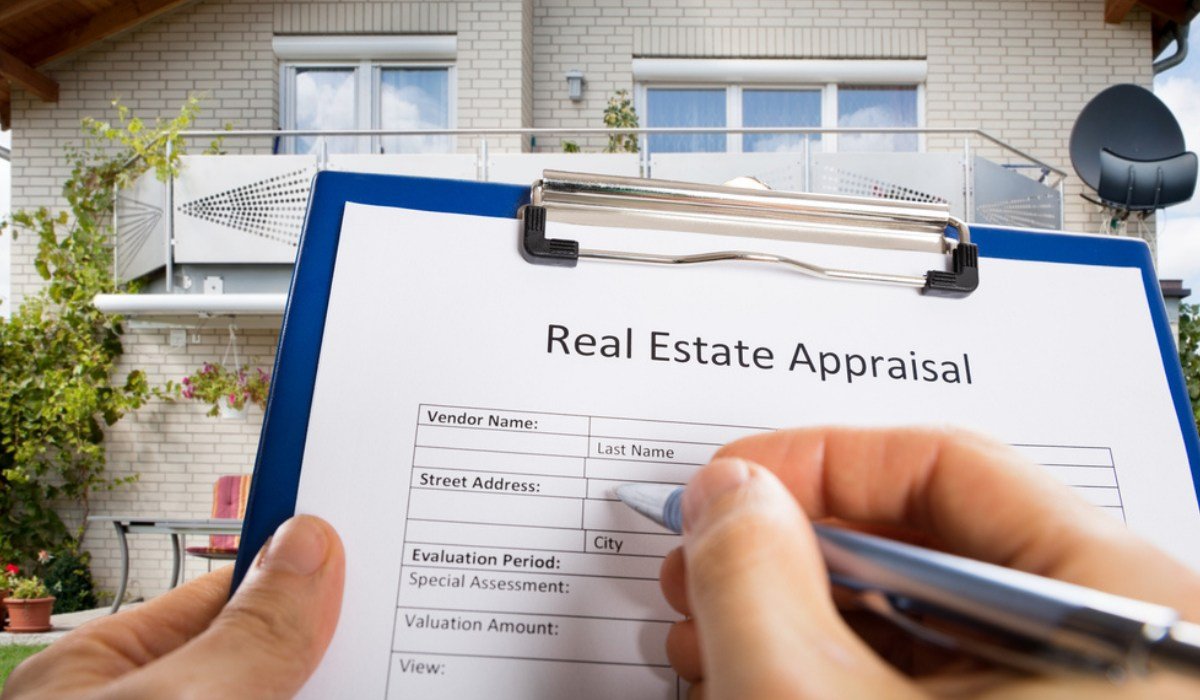
appraisals-blog-img

Real estate appraisal is something most buyers hear about when a deal is already moving, but in real life, it should come much earlier than that.

Across Elgin, Aurora, Naperville, Schaumburg, Kane County, Lake County, and nearby areas, buyers often get caught in fast decisions. A home looks right, the area feels right, competition shows up—and suddenly the price starts climbing. That’s exactly where real estate appraisal steps in and brings things back to reality.

Think of it like this: emotions push the price up, but real estate appraisal pulls it back to what the home is actually worth in the real world.

Why real estate appraisal matters before anything else

Here’s what usually happens.

A buyer sees a home, likes it, and immediately starts thinking about offers. But the smart move is stopping for a second and asking:

“Is this price even correct?”

That’s exactly what a real estate appraisal answers.

In simple terms, it tells the truth about value.

What it quietly shows buyers:

  • What similar homes actually sold for
  • Whether the asking price is realistic or inflated
  • If upgrades actually increase value or just improve appearance
  • How the local market is behaving right now

In places like Naperville and Schaumburg, it’s very common for listings to feel “slightly high” just because demand is strong. A real estate appraisal cuts through that noise.

How real estate appraisal actually protects buyers

Let’s break it down the way it really plays out.

Before making an offer

This is where most overpaying starts.

Without thinking about value, buyers jump straight into bidding. But when real estate appraisal thinking is used early, everything slows down in a good way.

  • It sets a real limit before emotions take over
  • It shows what the home is actually worth
  • It stops overbidding just because others are interested

In fast areas like Aurora and Elgin, this step alone can save buyers from paying way more than needed.

During negotiation

This is where real estate appraisal becomes powerful.

If a seller is asking too much, data becomes the strongest voice in the room.

Instead of guessing, it becomes:

  • “Here are the recent sales”
  • “Here’s what similar homes actually closed for”
  • “This price is above market range”

And that’s how real estate appraisal turns emotion-based pricing into fact-based negotiation.

After the offer is accepted

Even after both sides agree, the story is not finished.

Now the lender steps in—and this is where real estate appraisal becomes final protection.

If the appraisal comes in lower:

  • Price may need to drop
  • Deal may need renegotiation
  • Financing may adjust
  • Or the buyer may walk away

This is the moment many buyers realize how important real estate appraisal really was from the beginning.

What usually causes buyers to overpay

Let’s be honest—overpaying rarely happens by accident. It usually follows patterns.

1. Emotions take over

A nice kitchen, fresh paint, staged rooms—it all feels good. But feelings don’t define value.

Without real estate appraisal, emotions start leading decisions.

2. Ignoring actual market sales

Many buyers never check what homes actually sold for nearby. A real estate appraisal always starts there, not listing price.

3. Getting pulled into bidding pressure

Just because someone else is offering more doesn’t mean the home is worth it. But in the moment, it feels like it does.

That’s where real estate appraisal acts like a reality check.

Real market behavior snapshot

AreaWhat buyers feelRisk levelWhat appraisal really does
Elginsteady but activemediumkeeps pricing realistic
Aurorafast and competitivehighprevents overbidding
Napervillehigh demand pressurehighcontrols emotional pricing
Schaumburgstable competitionmediumconfirms fair value
Kane Countybalanced marketlowvalidates pricing strength
Lake Countymixed behaviormediumclarifies true value

In every one of these areas, real estate appraisal plays the same role: stopping buyers from paying based on pressure instead of value.

How real estate appraisal protects long-term money decisions

This part is often ignored—but it matters a lot.

Starting with fair value

If a buyer overpays, the problem doesn’t start later—it starts on day one.

A real estate appraisal makes sure the starting point is correct.

Building equity properly

Fair purchase price = healthier equity growth.

That’s why real estate appraisal is not just about buying—it’s about building future financial strength.

Making resale easier

Homes bought at fair value are easier to sell later without loss pressure. Again, real estate appraisal protects that outcome from the beginning.

Why real estate appraisal matters even more in hot markets

In places like Naperville and Aurora, homes can move quickly—sometimes too quickly.

And when things move fast, buyers tend to:

  • Skip checking value
  • Overbid to “win”
  • Ignore comparisons

That’s exactly when real estate appraisal becomes most important.

It slows down rushed thinking and brings the focus back to real numbers.

Even in Elgin and Schaumburg, where things feel more balanced, real estate appraisal still keeps pricing grounded when competition increases.

Simple buyer checklist before offering

  • Look at recent similar sales first
  • Compare price with expected real estate appraisal value
  • Decide your maximum before emotions start
  • Don’t follow bidding pressure blindly
  • Leave room for appraisal adjustments

Simple steps—but they prevent expensive mistakes.

Conclusion

At the end of the day, real estate appraisal is a protection tool that quietly saves buyers from overpaying without them even realizing it.

Across Elgin, Aurora, Naperville, Schaumburg, Kane County, and Lake County, the pattern stays the same—buyers who rely on real estate appraisal data make calmer, smarter, and more financially stable decisions.

And buyers who ignore it usually realize the cost later.

In real estate, price excitement fades—but value always stays. That’s exactly why real estate appraisal matters.

Frequently Asked Questions

What is real estate appraisal?

Real estate appraisal is basically a professional estimate of what a home is actually worth based on real market data, not emotions or listing prices.

How does real estate appraisal stop buyers from overpaying?

It shows the real value range of a property so buyers don’t get pushed into paying more just because of competition or urgency.

When should real estate appraisal be considered?

Real estate appraisal should be thought about before making an offer, during negotiation, and again during loan approval.

What if real estate appraisal is lower than the offer?

Then the price may need to be adjusted, or the buyer may renegotiate or reconsider the purchase depending on the situation.

Why is real estate appraisal important in competitive areas?

Because in competitive areas like Naperville or Aurora, prices often rise due to demand, not true value, and appraisal keeps things balanced.

Does real estate appraisal include home condition?

Yes, real estate appraisal includes condition, upgrades, layout, and compares them with similar homes sold nearby.

Can buyers ignore real estate appraisal if they like a home?

They can, but it increases the risk of overpaying since emotions may override actual market value.

How does real estate appraisal help in negotiation?

It gives clear market proof that can be used to justify a lower or fair offer during discussions with sellers.

Is real estate appraisal useful for long-term investment?

Yes, because it ensures the purchase starts at fair value, which supports better equity and resale potential later.

Do all home purchases require real estate appraisal?

Not always, especially cash deals, but it is still strongly recommended because it protects against overpaying.


Top Errors That Can Lower Your Commercial Property Value

Every commercial property starts with promise. On paper, it looks stable. The building is there, tenants may be in place, and everything can feel under control.

But commercial property value is never fixed.

It keeps moving based on what is happening inside the property, around it, and in the market.

That is why a Commercial Appraisal matters so much. It does not rely on guesses or old numbers. On the other hand, it reflects what the property is actually worth in today’s market.

And in most cases, value does not drop because of one big mistake. It drops slowly through small issues that get ignored.

Letting small maintenance issues slide

This is where value quietly starts to slip.

A small roof leak gets ignored.
A parking crack is left for later.
Old systems keep running even when they struggle.

Individually, these feel minor. But to a buyer or appraiser, they signal future cost and future risk.

A Commercial Appraisal will always factor in those repair concerns and adjust value accordingly.

Empty space that stays empty too long

Vacancy is more than just unused space. It is lost income.

And lost income always weakens value.

When space sits empty for too long, people start asking why. That uncertainty affects how the market sees the property.

A Commercial Appraisal directly reflects that through lower income strength.

Ignoring changes around the property

A property can stay the same, but everything around it can change.

New businesses come in. Old ones close. Traffic patterns shift. Demand changes.

Sometimes it helps value. Sometimes it hurts it.

A Commercial Appraisal always follows current conditions, not past expectations.

Outdated look and weak presentation

First impressions matter more than most owners realize.

A clean, updated property builds confidence.
An outdated one creates hesitation.

Even if the structure is fine, appearance affects how buyers think about future costs.

That perception shows up in a Commercial Appraisal.

Unstable tenants and weak income

Tenants are the backbone of commercial income.

Strong tenants create stability.
Unstable tenants create risk.

Frequent turnover or unreliable payments reduce confidence in long-term income.

A Commercial Appraisal reflects that risk in the final value.

Assuming the market has not changed

Markets do not stay the same.

Interest rates move. Demand shifts. Certain properties become more or less desirable.

Relying on old market thinking often leads to wrong expectations.

A Commercial Appraisal resets everything based on today’s real market data.

Poor rent decisions

Rent directly drives income, and income drives value.

Too high and space stays empty.
Too low and income weakens.

Either way, performance suffers.

A Commercial Appraisal evaluates whether income matches current market levels.

Why staying ahead of small issues protects your property value

Most commercial property value loss does not happen suddenly. It builds slowly when small issues are ignored for too long. A minor repair today can turn into a bigger cost tomorrow, and that growing cost is exactly what buyers and appraisers factor into the value of the property. When maintenance is handled early, the property stays stronger, more stable, and more attractive in the market.

A Commercial Appraisal reflects this directly because it always considers condition, upkeep, and future repair risk. Staying ahead of issues helps maintain confidence in the property, which keeps value more consistent over time and supports stronger long-term investment decisions.

Conclusion: 

Commercial property value usually does not fall suddenly. It drops step by step through small decisions that seem harmless at the time.

Maintenance gets delayed. Vacancy lasts longer. Rent is not adjusted. Market changes get ignored.

A Commercial Appraisal brings everything back into focus so value is based on reality, not assumptions.

Understanding these mistakes helps protect long-term value and keeps decisions clear and confident.

Frequently Asked Questions

What causes commercial property value to drop?

Mostly a mix of maintenance issues, vacancy, weak tenants, and outdated market thinking.

Why do small repairs matter so much?

Because they signal future cost and reduce buyer confidence, which lowers value.

How does vacancy affect value?

Empty space reduces income, and lower income directly reduces appraisal value.

Can location changes affect value?

Yes. Changes in traffic, businesses, and development can increase or decrease value.

Do tenants affect property value?

Yes. Stable tenants increase value while unstable tenants increase risk.

Why does appearance matter?

Because buyers judge how much future investment will be needed.

Does rent strategy impact value?

Yes. Rent controls income, and income is a key driver of value.

Can the market change value even if the building stays the same?

Yes. Market conditions heavily influence what buyers are willing to pay.

What does a Commercial Appraisal focus on?

Income, condition, location, market trends, and comparable sales.

How can property owners protect value?

By maintaining the property, keeping tenants stable, adjusting rent properly, and staying aware of market changes.

Frequently Asked Questions

What causes commercial property value to drop?

Mostly a mix of maintenance issues, vacancy, weak tenants, and outdated market thinking.

Why do small repairs matter so much?

Because they signal future cost and reduce buyer confidence, which lowers value.

How does vacancy affect value?

Empty space reduces income, and lower income directly reduces appraisal value.

Can location changes affect value?

Yes. Changes in traffic, businesses, and development can increase or decrease value.

Do tenants affect property value?

Yes. Stable tenants increase value while unstable tenants increase risk.

Why does appearance matter?

Because buyers judge how much future investment will be needed.

Does rent strategy impact value?

Yes. Rent controls income, and income is a key driver of value.

Can the market change value even if the building stays the same?

Yes. Market conditions heavily influence what buyers are willing to pay.

What does a Commercial Appraisal focus on?

Income, condition, location, market trends, and comparable sales.

How can property owners protect value?

By maintaining the property, keeping tenants stable, adjusting rent properly, and staying aware of market changes.

How to Remove PMI and Lower Your Monthly Mortgage Payment

Most homeowners don’t notice PMI at first. It usually gets added quietly when the loan is set up, and over time it just becomes part of the monthly payment.

But what many people don’t realize is this:

PMI is not permanent.

PMI removal is the process of getting rid of Private Mortgage Insurance once enough equity has been built in your home so the lender no longer sees the loan as risky.

For homeowners across Elgin, Aurora, Naperville, Schaumburg, Kane County, Lake County, and surrounding areas, this can turn into real monthly savings.

That is why accurate valuation support from professionals like S. Keenan, INC. often becomes an important step in proving when PMI can be removed.

Why PMI even exists in the first place

To understand removal, it helps to understand why PMI was added.

When a home is purchased with a lower down payment, usually under 20 percent, the lender takes on more risk.

So PMI is added as a kind of protection for the lender.

Not for the homeowner.

So what happens is simple:

  • lower down payment
  • higher risk for lender
  • PMI added to monthly cost

That extra cost stays until enough equity is built.

How homeowners usually realize they are paying PMI

Most people don’t think about PMI until one of these happens:

  • monthly mortgage feels higher than expected
  • they review their loan statement closely
  • they hear about PMI removal from someone else
  • home values in their area increase

At that point, the question becomes: do I still need to be paying this And in many cases, the answer is no.

When PMI removal becomes possible

PMI removal is usually possible when the loan balance drops enough compared to the home’s current value. But here is the important part most people miss: lenders do not use guesses or rough estimates. They rely on verified market value. That means even if you think you have enough equity, it still needs to be proven. This is where a proper valuation becomes important in the PMI removal process.

What actually happens during PMI removal

The process is more straightforward than most people expect. First, the homeowner checks their loan balance. Then the lender looks at the current value of the home.

But the key step is this: proving what the home is worth today That is where appraisal-based documentation comes in.

A PMI removal review typically includes:

  • current market analysis
  • comparable home sales
  • property condition review
  • updated value report

If the numbers show enough equity, PMI can be removed.

Why home value changes everything

The entire PMI decision depends on one thing: what your home is worth right now Not last year. Not purchase price. Current value. And in many suburban Illinois markets, home values have changed significantly over time.

That means:

  • equity may have increased
  • loan risk may have dropped
  • PMI may no longer be necessary

But without updated valuation, PMI often continues unnecessarily.

How a PMI removal appraisal helps in real life

This is where clarity really comes in.

A PMI removal appraisal helps homeowners:

  • confirm actual market value
  • show equity position clearly
  • support lender approval
  • speed up cancellation process
  • remove uncertainty in decision-making

It replaces assumptions with documented market evidence.

Why timing matters more than people think

Many homeowners wait too long to check eligibility.

That means:

  • extra PMI payments continue
  • savings are delayed
  • opportunity to reduce monthly cost is missed

The earlier you check your equity position, the sooner PMI removal can happen if you qualify.

Why local market knowledge matters

Property value is not the same everywhere.

Even within areas like Elgin, Aurora, Naperville, Schaumburg, Kane County, and Lake County, values shift based on:

  • school districts
  • buyer demand
  • neighborhood development
  • recent sales activity

That is why local valuation support from S. Keenan, INC. matters when preparing a reliable PMI removal appraisal.

What happens after PMI is removed

Once PMI is removed:

  • monthly mortgage payment drops
  • long-term loan cost decreases
  • cash flow improves immediately

It is one of the simplest ways to reduce housing costs without refinancing.

Conclusion:

PMI often feels like something that just stays forever, but it doesn’t have to. In many cases, it is simply a temporary cost that disappears once enough equity is built and properly proven.

PMI removal is really about showing one thing clearly: your home is worth enough now that the lender no longer needs that extra protection

With proper valuation support from professionals like S. Keenan, INC., homeowners across Western and Northern Illinois suburbs can take advantage of equity they already have and reduce monthly mortgage costs in a meaningful way.

Frequently Asked Questions

What is PMI removal?

It is the process of canceling Private Mortgage Insurance once enough home equity is built.

How do I know if I qualify?

If your loan balance is around 80 percent or less of your home’s current value, you may qualify.

Do I need an appraisal for PMI removal?

Yes, most lenders require updated market value proof through an appraisal.

Does PMI removal reduce my payment?

Yes, it directly lowers your monthly mortgage cost.

Can home value increase help?

Yes, rising home values can help you reach equity faster.

Is PMI removed automatically?

Not always. Many lenders require a formal request and proof of value.

How long does the process take?

It usually takes a few days to a couple of weeks depending on lender review.

What if I don’t have enough equity yet?

You will need to wait until more principal is paid or home value increases.

Can refinancing remove PMI?

Yes, but PMI removal can also happen without refinancing in many cases.

Why is valuation important?

Because lenders rely on accurate market value to approve PMI cancellation.

Why Most Investors Say No (And How to Hear a Yes)

In real estate, hearing a “no” from an investor is far more common than hearing a “yes.” For many property owners, that can feel discouraging at first. A deal looks promising, numbers seem fine, and interest feels strong… until suddenly it is not.

But here is the real truth most people do not see right away:

investors do not say no because they are negative
they say no because something in the deal does not feel clear, safe, or profitable enough

That is where Investment/Investor appraisal becomes the turning point.

It is a professional way of showing the real value, risk level, and earning potential of a property so investors can make a confident decision instead of guessing.

Across Elgin, Aurora, Naperville, Schaumburg, Kane County, Lake County, and surrounding areas, this clarity becomes even more important because market conditions can change quickly from one location to another. That is why experienced professionals like S. Keenan, INC. are often involved in helping investors and owners understand real property value before decisions are made.

why do most investors actually say no

It usually does not come down to one single reason. It is almost always a mix of concerns that build up in their mind.

Investors think differently from emotional buyers. They are not just asking “do I like this property.”

They are asking:

  • will this make consistent profit
  • what is the real risk here
  • how fast can I exit if needed
  • is the price justified by market value
  • what problems are hidden behind the surface

If even one of those answers feels unclear, the response becomes a no. Not a permanent no. Just not yet or not like this.

The most common reasons investors walk away

  • unclear or inflated pricing

One of the fastest reasons investors say no is pricing that does not match reality. If the asking price is higher than what the market supports, investors immediately notice it.

They compare:

  • recent sales in the area
  • condition of the property
  • expected return on investment

If the numbers do not line up, they step back.

This is exactly where Investment/Investor appraisal becomes important because it replaces assumptions with real market-based value.

  • missing or weak financial clarity

Investors do not just look at property. They look at performance. If there is no clear understanding of:

  • rental income potential
  • repair costs
  • ongoing expenses
  • resale value

then the deal feels uncertain. Uncertainty is the number one reason for rejection.

  • risk feels too high

Every investment has risk, but investors want it to be measurable. If a property has:

  • structural issues
  • unclear repairs
  • zoning concerns
  • unpredictable market position

It raises red flags quickly. Even if the opportunity is real, unclear risk often leads to a no.

  • no clear exit strategy

Investors always think ahead. They want to know:

  • how easily they can sell later
  • who the future buyer will be
  • what the resale market looks like

If the exit is unclear, the investment becomes less attractive. The good news is this:

most investor “no’s” are not final decisions
they are missing information decisions

And that is something that can be fixed.

Bring clarity through Investment/Investor appraisal

This is where the shift happens. An Investment/Investor appraisal gives investors something they rely on more than anything else: clear, unbiased numbers

It helps by showing:

  • real market value of the property
  • income potential if rented or leased
  • repair or improvement impact on value
  • risk factors in measurable form
  • realistic resale expectations

When investors see clear data instead of estimates, hesitation reduces.

Speak the investor language: numbers, not emotions

One major reason deals fail is simple. Owners speak emotionally, investors speak mathematically. Instead of saying: this property has great potential, what works better is: Here is the actual return based on current market data. An Investment/Investor appraisal bridges that gap.It turns property discussion into investment logic.

Why location matters in investor decisions

In areas like Elgin, Aurora, Naperville, Schaumburg, Kane County, and Lake County, investors do not look at just the property.

They look at:

  • neighborhood growth trends
  • rental demand
  • job market strength
  • school districts
  • local infrastructure

Two similar properties can produce very different investment outcomes depending on location alone. That is why local expertise from S. Keenan, INC. becomes important in shaping accurate investor decisions.

What investors really want before saying yes

Most investors are not looking for perfection.

They are looking for:

  • clarity
  • predictable return
  • controlled risk
  • accurate valuation
  • easy exit options

When these five things are clear, “yes” becomes much more likely.

Conclusion:

The difference between a “no” and a “yes” is often not the property itself, but how clearly its value and potential are presented.

An Investment/Investor appraisal brings structure, clarity, and confidence into that decision.

Across Elgin, Aurora, Naperville, Schaumburg, Kane County, Lake County, and surrounding areas, working with professionals like S. Keenan, INC. helps property owners present their investment in a way that investors can actually trust and act on.

In the end, investors do not say yes to emotion. They say yes to clarity.

Frequently Asked Questions

What is an Investment/Investor appraisal?

It is a professional valuation that shows the real market value and investment potential of a property.

Why do investors say no to deals?

Because of unclear pricing, high risk, missing financial data, or weak return potential.

How does an appraisal help get a yes?

It provides clear, data-backed property value and investment performance insights.

Do investors only care about price?

No, they also focus on risk, return, location, and exit strategy.

Why is location important in investment decisions?

Because demand, growth, and rental income vary widely by area.

Can a property with issues still get investor interest?

Yes, if risks are clearly explained and pricing is aligned properly.

What makes investors confident?

Clear numbers, strong return potential, and low uncertainty.

How long does an investor appraisal take?

Usually a few days to a couple of weeks depending on analysis depth.

Is Investment/Investor appraisal only for selling?

No, it is also used for planning, negotiation, and funding decisions.

Why is professional appraisal important?

Because investors trust data-backed valuation over opinions or estimates.

Why Your Property Taxes May Be Wrong and How a Tax Appeal Appraisal Helps Fix It

Most homeowners don’t question their property tax bill. It arrives, it looks official, and it gets paid. Simple routine.

But behind that routine, there is one important truth many people miss:

The number on that bill is not always perfectly accurate. Your property taxes are based on an estimated value of your home. And if that estimated value is too high, you end up paying more than you should.

That is exactly where a Tax Appeal Appraisal comes in.

A Tax Appeal Appraisal is a professional way of checking what your property is actually worth in the real market and comparing it with what the county thinks it is worth. If there is a gap, that gap can become the reason to challenge the taxes.

In areas like Elgin, Aurora, Naperville, Schaumburg, Kane County, and Lake County, this becomes even more important because property values can change quickly from one neighborhood to another. That is why professionals like S. Keenan, INC. are often called in to bring real clarity into what the property is actually worth.

What is really happening with your property taxes

The county does not walk into every home and study it in detail every year.

Instead, it uses:

  • market data
  • property records
  • neighborhood trends
  • automated valuation systems
  • past sale information

Then it creates an assessed value. That value becomes the base for your taxes.

So what is happening is this: a system is estimating your home’s value, and that estimate decides what you pay every year Now the problem is, estimates are not always perfectly aligned with reality.

Why your property taxes may be wrong without you noticing

This is the part most homeowners never realize.

A tax assessment can be off because:

  • the market changed faster than the system updated
  • your home condition was not fully reflected
  • outdated sales were used as comparison
  • neighborhood averages were applied too broadly
  • improvements or damage were not properly accounted for

So even if nothing feels wrong on the surface, the value behind your tax bill might not reflect your actual property.

And that small difference can turn into hundreds or even thousands over time.

How a Tax Appeal Appraisal actually fixes the problem

This is where things shift from confusion to clarity.

A Tax Appeal Appraisal does not guess. It does not estimate loosely. It studies real market behavior.

It asks one simple question:

if this property was sold today, what would a real buyer actually pay for it

To answer that, it looks at:

  • recent nearby home sales
  • property condition and features
  • local demand in your exact area
  • market trends at the time
  • differences between similar homes

Then it builds a clear, professional value based on facts.

That value can then be used to challenge the tax assessment.

Why this matters more than most people think

Most homeowners only think about property taxes once a year.

But small overvaluations repeat every year.

So if your home is over-assessed, you are not just overpaying once. You are overpaying repeatedly.

A Tax Appeal Appraisal helps stop that cycle by correcting the value at its source.

Even a small adjustment can make a real difference over time.

How the process actually feels in real life

Even though it sounds technical, the process is very straightforward.

First, the appraiser looks at your home and understands its real condition. Not what it was years ago, but how it stands today. Then they study recent sales of similar homes nearby.

After that, they check what the local market is doing right now, whether prices are rising, stable, or slowing. Then they compare all of this with your current tax assessment.

Finally, everything is put into a clear report that shows the real market value. That report becomes the evidence used in the appeal process.

Why local understanding makes a big difference

Real estate is not the same everywhere.

Even within the same region, values can change from one street to another.

In places like Elgin, Aurora, Naperville, Schaumburg, Kane County, and Lake County, differences come from:

  • school districts
  • neighborhood demand
  • development activity
  • accessibility and transport
  • buyer preferences

That is why local knowledge is important in a Tax Appeal Appraisal, because national averages simply cannot capture these differences.

Professionals at S. Keenan, INC. understand how these local markets behave, which makes the valuation more accurate and reliable.

What happens when you don’t challenge an incorrect tax value

This is where many homeowners unknowingly lose money.

If the assessment is too high and no appeal is made:

  • you keep paying higher taxes year after year
  • the overpayment continues without correction
  • financial pressure slowly builds up
  • correcting it later becomes harder

The system does not automatically fix itself in your favor. It stays unless it is challenged.

That is why a Tax Appeal Appraisal becomes important when something does not feel right.

Conclusion:

Property taxes are not meant to be unfair, but they are not always perfectly accurate either. They are built on systems, data, and models that do not always reflect the real condition of every individual home.

A Tax Appeal Appraisal brings real-world clarity into that system.

It shows what your property is actually worth based on current market conditions, not just estimates or outdated data.

For homeowners in Elgin, Aurora, Naperville, Schaumburg, Kane County, Lake County, and surrounding areas, working with experienced professionals like S. Keenan, INC. can make the difference between overpaying and paying a fair amount based on real value.

In the end, it is not about challenging taxes aggressively. It is about making sure the numbers match reality.

Frequently Asked Questions

What is a Tax Appeal Appraisal?

It is a professional way of checking if your property taxes are based on a fair and accurate market value.

Why are property taxes sometimes wrong?

Because they are based on estimates, outdated data, and general market models that may not reflect your exact home.

How does a Tax Appeal Appraisal help?

It provides real market evidence showing your home’s true value, which can support a tax reduction.

Do I need a Tax Appeal Appraisal every year?

Not always, but it is useful whenever you feel your assessment has increased unfairly or does not match the market.

What does the appraisal include?

It includes comparable sales, market analysis, property condition review, and a professional value estimate.

Can it guarantee lower taxes?

No, but it significantly strengthens your appeal with strong supporting evidence.

How long does the process take?

Usually a few days to a couple of weeks depending on property and data availability.

Why is local knowledge important?

Because property values vary by neighborhood, and local market understanding improves accuracy.

What if I never appeal an incorrect assessment?

You may continue overpaying property taxes year after year without realizing it.

Who performs a Tax Appeal Appraisal?

A licensed appraiser experienced in local real estate markets and valuation methods.

Before You List Your Home, Read This About Appraisals

Before you list your home, there is one thing that quietly decides how smooth or stressful your entire selling journey will be, the price you choose at the start. And most of the time, this is where sellers either set themselves up for a strong sale or end up adjusting again and again later.

Pre-Listing Appraisal Services sounds technical, but in simple speaking words, it is just a professional way of checking what your home is actually worth before it goes on the market. Not a guess. Not a hopeful number. Not what someone else thinks. Just real market value based on current conditions.

In areas like Elgin, Aurora, Naperville, Schaumburg, Kane County, Lake County, and surrounding suburbs, where prices can change from one neighborhood to another, this step becomes even more useful. That is why homeowners often work with experienced professionals like S. Keenan, INC. to understand the real value before listing even begins.

What is really happening in Pre-Listing Appraisal Services

Think of it like this in everyday terms.

Before a home is listed, there is always a simple but important question:

what price will bring in buyers without losing value or scaring people away

Pre-Listing Appraisal Services is basically answering that question using real data instead of opinions.

The appraiser looks at:

  • what similar homes recently sold for nearby
  • how your home actually looks and feels in condition
  • what upgrades really add value in the market
  • how active buyers are in that area right now
  • what direction prices are moving

Then all of that gets turned into one realistic price range that the market is likely to respond to.

Why Pre-Listing Appraisal Services matters before you sell

This is where most sellers feel the impact later if they skip this step.

Because pricing is not just a number on a listing. It controls everything that happens after.

If the price is too high, buyers ignore it. If it is too low, money is left on the table. And once a listing sits too long, it becomes harder to restart interest.

Pre-Listing Appraisal Services helps avoid all of that by setting the right direction from day one.

It helps because:

  • the home gets stronger attention early
  • serious buyers show up faster
  • price drops become less likely
  • negotiations feel more controlled
  • time on market is usually shorter

In simple words, it sets the tone for the entire sale.

How it affects selling in places like Naperville, Aurora, and Schaumburg

In competitive areas like Naperville, Aurora, and Schaumburg, pricing is not just important, it is critical.

A small pricing difference can completely change buyer interest.

If pricing is off:

  • the home sits longer
  • interest slows down
  • price reductions become necessary

If pricing is correct:

  • more showings happen early
  • stronger offers come in
  • the sale feels smoother overall

That is why Pre-Listing Appraisal Services is especially useful in active but competitive markets like these.

Breakdown of what affects your home value

FactorWhat it means in real terms
Locationneighborhood demand, schools, convenience
Conditionhow well the home is maintained
Sizeusable living space and layout
Market trendsbuyer demand right now
Comparable saleswhat similar homes actually sold for

Pre-Listing Appraisal Services brings all of this together instead of guessing one part at a time.

Why skipping it can cost you later

Skipping Pre-Listing Appraisal Services usually leads to one of two outcomes.

Either the home is overpriced and sits too long, or it is underpriced and sells too fast without reaching full value.

Both situations come from the same issue, not knowing the real value before listing.

And once a listing is live, correcting perception becomes harder than setting it right from the start.

How it helps during negotiations

This is where sellers really feel the benefit.

When the price is backed by Pre-Listing Appraisal Services, it becomes easier to stand firm during offers.

It helps sellers:

  • explain pricing with confidence
  • avoid unnecessary price pressure
  • attract more serious buyers
  • reduce back and forth negotiations

It turns pricing into a strategy instead of a guess.

When should Pre-Listing Appraisal Services be done

The best time is before the home is listed publicly.

Before photos. Before marketing. Before listing goes live.

That way there is time to:

  • set the right price
  • make small improvements if needed
  • understand market position clearly
  • avoid rushed decisions

It is always better as a planning step, not a correction step.

Conclusion:

In areas like Elgin, Aurora, Naperville, Schaumburg, Kane County, Lake County, and surrounding suburbs, where every neighborhood behaves differently, this step can make a real difference in how fast and how smoothly a home sells.

With support from experienced professionals like S. Keenan, INC., sellers step into the market with clarity instead of uncertainty.

Frequently Asked Questions

What is Pre-Listing Appraisal Services?

Pre-Listing Appraisal Services is a professional home valuation done before listing a property for sale to understand its real market value and set the right price from the start.

Why is Pre-Listing Appraisal Services important before selling?

It is important because it helps set a realistic price, attracts serious buyers, and prevents pricing mistakes that can delay or reduce profit from the sale.

How does Pre-Listing Appraisal Services help sellers?

It helps sellers price their home correctly, reduce time on market, avoid unnecessary price cuts, and negotiate with confidence.

Is Pre-Listing Appraisal Services different from a regular appraisal?

Yes, it is done specifically before listing a home to guide pricing strategy, while a regular appraisal is often used for lending or financing purposes.

Can Pre-Listing Appraisal Services increase home value?

It does not increase value directly, but it helps identify the correct market price so the home is not undervalued or overpriced.

When should Pre-Listing Appraisal Services be done?

It should be done before the home is listed so there is enough time to set pricing and prepare the property if needed.

What factors affect Pre-Listing Appraisal Services results?

Location, condition, recent comparable sales, upgrades, and current market demand all affect the final valuation.

Do online estimates replace Pre-Listing Appraisal Services?

No, online estimates are general, while Pre-Listing Appraisal Services includes in-person evaluation and local market analysis.

Why is local expertise important in appraisal services?

Because home values vary by neighborhood, especially in areas like Naperville, Aurora, and Schaumburg, local knowledge ensures accuracy.

What happens after Pre-Listing Appraisal Services is completed?

The seller receives a realistic market value range that helps decide the best listing price before putting the home on the market.

Why Your Home Appraisal Might Be Lower Than Expected

Real estate appraisal is something that sounds technical, but in real life it’s actually very simple at the core. It is just the process where a licensed professional looks at a home and decides what it is worth in today’s market. Not what someone hopes for, not what it was bought for years ago, and not what emotions say it should be. Just real market value based on facts.

And this is exactly where most confusion starts.

Because when people hear a number that is lower than expected, the first reaction is usually, how did that happen. Everything looks fine, the house is updated, the area is good, the buyer agreed on a higher price… So why did the appraisal come in lower.

That is where understanding real estate appraisal becomes important.

Real estate appraisal explained

Think of real estate appraisal like this.

It is someone stepping back, ignoring emotions, ignoring negotiation, and just asking one question:

What are similar homes actually selling for right now, in this exact condition, in this exact area

That is it.

A real estate appraisal is built on:

  • Recent sale prices nearby
  • Size of the home
  • Condition inside and outside
  • Location and neighborhood demand
  • Upgrades and overall maintenance

So even if two homes look similar on the surface, the real estate appraisal can still be different because small details matter a lot.

Why real estate appraisal comes lower than expected

Now this is the part everyone wants to understand.

A real estate appraisal usually comes lower when the market does not support the price that was expected.

Sometimes the home is listed a bit too high compared to what similar homes actually sold for. The market data is always the base, not the listing price.

Sometimes the nearby sales are weaker than expected. Even if people think the area is strong, the appraiser is only looking at real closed deals, not opinions.

And sometimes the condition of the home brings the value down without the owner realizing it. Small things like aging roof, older systems, or minor repairs can affect the final number.

Market reality always controls real estate appraisal

This is one thing that cannot be ignored.

real estate appraisal always follows the market, not personal expectations.

When interest rates go up, buyers reduce budgets, and prices usually settle. When demand slows, appraisals also come down. When demand is strong, values can rise.

So the same home can get a different appraisal result depending on timing.

Market situationWhat happens in real estate appraisal
High interest ratesLower buyer demand, lower value pressure
Strong demandHigher stability or increased value
Weak marketLower comparable sales
Limited inventorySometimes supports higher value

So timing plays a bigger role than most people realize in real estate appraisal.

Condition of the home matters more than expected

A lot of people think clean paint and nice furniture will increase value. But real estate appraisal goes deeper than what meets the eye.

The appraiser is also checking:

  • Roof life and condition
  • Plumbing and electrical systems
  • Foundation stability
  • Maintenance history
  • Any signs of damage or wear

So even if a home looks beautiful, hidden issues can still reduce the real estate appraisal value.

Location changes everything in real estate appraisal

Location is one of the strongest parts of any real estate appraisal.

Two homes with the same layout can have different values just because of where they are located.

Things that affect it:

  • School districts
  • Safety and surroundings
  • Road access and transport
  • Nearby development
  • Overall neighborhood demand

That is why real estate appraisal is never just about the house alone, it is also about everything around it.

Why expectations and real estate appraisal don’t match

This is where most frustration comes from.

People naturally attach emotional value to their home. Memories, upgrades, effort, time spent improving it… all of that increases personal value.

But real estate appraisal does not look at emotion at all.

It only looks at market data.

So when expectation meets data, there can be a gap.

What can be done when real estate appraisal is low

A lower real estate appraisal does not always mean the deal is over.

There are still options:

  • Renegotiate the sale price
  • Buyer increases down payment
  • Seller offers concessions
  • In some cases, request a review or second appraisal

It depends on the situation, but the deal can often still move forward.

Conclusion:

Think of real estate appraisal like a reality check.

It is not there to support the highest price or the lowest price.

It is there to show what the market is actually saying right now.

Frequently Asked Questions

Why does real estate appraisal come lower than expected sometimes?

Real estate appraisal can come lower when recent sales in the area are lower, or when the listing price is higher than what the current market supports, even if the home looks good.

What is the main purpose of real estate appraisal?

The main purpose of real estate appraisal is to find the true market value of a property based on real data like recent sales, condition, and location, not emotional value.

Can upgrades increase real estate appraisal value?

Yes, upgrades can help real estate appraisal, but only if they match market expectations. Not all renovations increase value equally.

What happens if real estate appraisal is lower than the offer?

If real estate appraisal is lower than the offer, the price may be renegotiated, the buyer may increase cash, or the deal may be adjusted or canceled.

Does location affect real estate appraisal?

Yes, location is one of the strongest factors in real estate appraisal, including schools, safety, transport, and neighborhood demand.

How long does real estate appraisal take?

Real estate appraisal usually takes a few days to about a week depending on property size and market conditions.

Do appraisers use asking price in real estate appraisal?

No, real estate appraisal does not depend on asking price. It is based on real sold prices of similar homes in the area.

Can small repairs affect real estate appraisal?

Yes, even small repairs like roofing issues or outdated systems can lower real estate appraisal if they affect overall condition.

Is real estate appraisal required for all home sales?

In financed deals, real estate appraisal is usually required by lenders to confirm the property value before approving the loan.

How can a seller prepare for real estate appraisal?

A seller can prepare by cleaning, fixing small issues, keeping the home accessible, and showing documentation of upgrades to support real estate appraisal results.

Why Getting the Right Bankruptcy Appraisal Can Save You Trouble

A bankruptcy appraisal usually becomes important at a point when things are already feeling heavy. Bills are piling up, pressure is increasing, and decisions are not simple anymore.

And then suddenly, one question becomes very important.

What are things actually worth right now?

A house, a business, equipment, vehicles, inventory… everything needs a real number.

That is where a bankruptcy appraisal comes in.

It is the process that brings clarity when everything else feels uncertain. Not based on guesses. Not based on rough ideas. But based on real market value.

And in bankruptcy, that clarity matters a lot.

Because if the numbers are wrong, even a little, the whole process can become stressful very quickly.

So what is a bankruptcy appraisal really?

A bankruptcy appraisal is just finding out the real value of assets during bankruptcy.

Not emotional value. Not purchase price. Current market value.

It can include:

  • Homes and property
  • Business assets
  • Machinery
  • Vehicles
  • Equipment
  • Inventory
  • Tools

Basically anything that has financial value in the case.

The whole idea is simple.

Everyone involved should be working with the same real number.

That is what a bankruptcy appraisal provides.

Why does it matter so much?

Because bankruptcy is built on numbers.

And when numbers are not right, everything becomes complicated.

A bankruptcy appraisal helps keep things balanced and fair.

If values come out too high, pressure increases on repayment.
If values come out too low, creditors may start questioning everything.

And once questions start, things slow down.

That means more stress, more delays, and more back and forth.

So getting a proper bankruptcy appraisal done early really helps avoid all that confusion.

How the process usually works

It is actually more straightforward than it sounds.

First step: looking at the assets

Everything is checked properly:
condition, age, usage, damage, and how the market sees it.

Nothing is assumed. Everything is observed.

Second step: checking the market

This is where real-world comparison happens.

What are similar assets selling for?
What is demand like right now?

This part makes the bankruptcy appraisal more accurate.

Third step: preparing the report

Then everything is put into a clear report, which usually includes:

  • Fair market value
  • Liquidation value
  • Asset details
  • Market proof and data

This report is what courts and trustees rely on.

What goes wrong when the appraisal is not right?

This is where things usually get difficult.

If a bankruptcy appraisal is not accurate, even slightly, it can lead to:

  • Court delays
  • Creditor objections
  • Extra hearings
  • Legal arguments
  • Higher expenses

And during bankruptcy, even small delays feel big.

Because the situation is already sensitive.

Why courts depend on bankruptcy appraisal reports

Courts do not work on assumptions or estimates.

They need real, documented value.

A bankruptcy appraisal gives:

  • Clear financial picture
  • Market-backed proof
  • Proper documentation
  • Transparent reporting

That makes decision-making easier and more fair for everyone involved.

Why online estimates don’t work here

Online tools can only give a surface-level idea.

But real value depends on things like:

  • Actual condition
  • Local demand
  • Wear and tear
  • Real market activity

A bankruptcy appraisal goes much deeper than that and reflects real-world value, not just numbers on a screen.

When businesses are involved, it becomes even more important

Business cases usually have more moving parts.

A bankruptcy appraisal may include:

  • Machinery
  • Equipment
  • Inventory
  • Commercial property
  • Office assets

And each of these behaves differently in the market.

That is why experience matters a lot in business-related bankruptcy cases.

Why local knowledge changes everything

Value is not the same everywhere.

Local market understanding helps because:

  • Buyers behave differently in each area
  • Prices shift from region to region
  • Demand is not always the same

So a bankruptcy appraisal done with local knowledge is usually more realistic and accurate.

Conclusion:

Bankruptcy is already a stressful situation. There is enough pressure on its own.

The last thing needed is confusion about value.

A proper bankruptcy appraisal brings clarity into the situation. It keeps things fair, reduces misunderstandings, and helps the process move forward without unnecessary delays.

When the value is right, everything else becomes easier to manage.

Frequently Asked Questions

What is a bankruptcy appraisal?

A bankruptcy appraisal is simply figuring out the real market value of assets during bankruptcy so everyone works with accurate numbers.

Why is bankruptcy appraisal needed?

It is needed because bankruptcy decisions depend on asset values, and incorrect numbers can create delays, disputes, and unfair outcomes.

Who uses bankruptcy appraisal reports?

Courts, trustees, attorneys, creditors, and individuals involved in bankruptcy use the bankruptcy appraisal report for decision-making.

What things are included in bankruptcy appraisal?

It can include property, vehicles, machinery, business equipment, inventory, and any valuable assets.

What happens if the appraisal is wrong?

Wrong values can cause objections, legal issues, delays in court, and extra costs during the bankruptcy process.

How long does a bankruptcy appraisal take?

It depends on the assets involved, but most bankruptcy appraisals take a few days to a few weeks.

Is it different from a normal appraisal?

Yes, it includes liquidation value and court-ready documentation, not just general market value.

Why do courts rely on it?

Because a bankruptcy appraisal gives verified, data-backed value instead of opinions or guesses.

What if creditors disagree with the value?

They can challenge it, request another appraisal, or ask for more supporting evidence.

When should it be done?

It should be done early so there is enough time to avoid delays, disputes, and last-minute issues.

Estate/Date of Death Appraisal in Elgin & Surrounding Counties

Estate/Date of Death Appraisal in Elgin & Surrounding Counties is what happens when a property needs to be valued based on one very specific moment in time, the day someone passed away.

Not today’s market. Not guesses. Not emotional value. Just the actual market value from that exact date.

In Elgin & Surrounding Counties, this becomes a key step whenever a family is dealing with inheritance, legal paperwork, or dividing property. Because without this step, everything stays unclear and open to disagreement.

So what this really does is simple: it brings one fair, neutral number that everyone can work from.

That is the core of Estate/Date of Death Appraisal in Elgin & Surrounding Counties.

Why this matters so much in real situations

When a family is already going through loss, the last thing needed is confusion over property value.

But this is usually what happens:

  • One person thinks the house is worth a lot more
  • Another checks online listings and disagrees
  • Someone else remembers what it “used to be worth”

And suddenly, everyone is speaking from different assumptions.

That is exactly where Estate/Date of Death Appraisal in Elgin & Surrounding Counties steps in and stops the confusion.

It doesn’t take sides. It doesn’t guess. It simply says:

“This is what the property was worth on that exact day.”

And that one statement changes everything.

What actually happens during the appraisal

Here is the process in a very human way.

First, the property is looked at as it existed at the time of death. Not how it looks now. Not after repairs or changes. Just how it was at that moment.

Then the real work begins behind the scenes:

  • Old market records are checked
  • Similar property sales from that time are studied
  • Local demand in Elgin & Surrounding Counties is reviewed
  • Property condition at that time is factored in

After all of that, everything is pulled together into one clear, written value.

That final number becomes the base for everything else, legal work, inheritance, and decisions.

That is how Estate/Date of Death Appraisal in Elgin & Surrounding Counties actually works in practice.

Why timing is the whole point

Here is something many people don’t realize at first.

Property value is not fixed. It moves with time.

So Estate/Date of Death Appraisal in Elgin & Surrounding Counties is not asking:
“What is this worth now?”

It is asking:
“What was this worth on that exact day?”

That difference is everything.

Because on that day:

  • Market conditions might have been different
  • Buyers might have been more or less active
  • Interest rates could have changed demand
  • Local development may not have existed yet

So the appraisal freezes the market and says, “this is the truth for that moment.”

That is why Estate/Date of Death Appraisal in Elgin & Surrounding Counties is so specific.

What kinds of properties usually come into this process

In Elgin & Surrounding Counties, estates are rarely simple.

So Estate/Date of Death Appraisal in Elgin & Surrounding Counties often includes:

  • Family homes passed down through generations
  • Agricultural land and farmland
  • Rental houses with tenants
  • Commercial shops or buildings
  • Empty land with future value potential

Each one behaves differently in the market, so each one is handled carefully.

No two estates are the same, and that is why Estate/Date of Death Appraisal in Elgin & Surrounding Counties has to be detailed, not rushed.

What this actually helps families avoid

This is where the real value shows up.

Without Estate/Date of Death Appraisal in Elgin & Surrounding Counties, families often run into problems like:

  • Arguments over who is “right” about value
  • Delays in legal paperwork
  • Confusion during inheritance division
  • Unequal distribution without proof
  • Stress between family members

But with it, everything becomes clearer.

Because instead of opinions, there is one verified number.

And that removes a lot of emotional pressure.

Why lawyers and courts rely on it

In legal systems, opinions don’t hold weight. Documentation does.

That is why Estate/Date of Death Appraisal in Elgin & Surrounding Counties is often required in:

  • Probate court processes
  • Estate settlement filings
  • Tax reporting cases
  • Property transfer documentation

It becomes the official reference point that supports every legal step that follows.

Without it, things can slow down or even get challenged.

What makes a strong appraisal report

A proper Estate/Date of Death Appraisal in Elgin & Surrounding Counties is not just a number on paper.

It usually includes:

  • Clear explanation of how value was calculated
  • Market data from the correct time period
  • Comparable sales from that era
  • Property condition at date of death
  • Final certified valuation report

This is what makes it usable in real legal and financial decisions.

Why people actually feel relief after it is done

There is a real shift that happens once Estate/Date of Death Appraisal in Elgin & Surrounding Counties is completed.

Before it:

  • Everyone is unsure
  • Everyone has a different opinion
  • Every discussion feels emotional

After it:

  • One number is accepted
  • Decisions become easier
  • Conversations calm down
  • Progress finally happens

It doesn’t solve grief, but it does remove confusion from property matters.

And that alone makes a big difference.

Conclusion:

At the end of the day, Estate/Date of Death Appraisal in Elgin & Surrounding Counties is just about bringing fairness into a difficult moment.

It takes property, looks back in time, and says clearly:

“This is what it was worth then.”

No emotion. No guessing. No conflict.

Just a fair starting point that helps families move forward with clarity and structure.

That is why Estate/Date of Death Appraisal in Elgin & Surrounding Counties is such an important part of estate settlement in this region.

Frequently Asked Questions

What is Estate/Date of Death Appraisal in very simple language?

It is a process that finds out how much a property was worth on the exact day someone passed away, using past market data instead of today’s prices.

Why is it needed in Elgin & Surrounding Counties?

Because estates often include different types of property, this appraisal helps ensure fair distribution and avoids confusion or disagreements between family members.

Who usually handles this process?

Professional appraisers are responsible for it, working with historical market data, property details, and comparable sales from the correct time period.

Does it use current market value?

No, it does not use current value. It strictly uses the value from the date of death, even if the market has changed since then.

How does it help families during inheritance?

It removes arguments by giving one clear, neutral property value so everyone involved has the same reference point.

What types of properties are included?

Homes, farmland, rental units, commercial properties, and vacant land can all be part of the appraisal depending on the estate.

Is it required legally?

In many probate and estate cases, yes. Courts and tax authorities often require it for proper documentation and settlement.

What happens without this appraisal?

Without it, estate division can become unclear, delayed, and more likely to cause disputes or legal complications.

How long does it usually take?

It usually takes a few days to a couple of weeks depending on how complex the estate is and how much data needs to be reviewed.

Why is professional appraisal better than estimates?

Because it is based on real historical market data and structured analysis, making it reliable for legal, tax, and inheritance purposes.

Certified Appraisal Services: What Sets Accurate Valuation Apart

We at S. Keenan, INC. always say this right from the beginning, Real Estate Appraisal is simply what tells the real value of a property in today’s market, nothing more and nothing less.

Not what someone feels. Not what someone assumes. But what the property actually stands at when everything is properly checked.

Because in every property decision, one question always comes first, what is it really worth? And that is exactly where Real Estate Appraisal steps in and gives a clear answer.

What Real Estate Appraisal Means

We at S. Keenan, INC. explains Real Estate Appraisal means someone actually goes, looks at the property properly, studies it, and then tells its fair market value based on facts.

  • First, the property is physically checked in detail
  • Then similar properties nearby are looked at
  • Then the location is studied properly
  • Then the current market situation is understood
  • And if it is commercial, income is also reviewed

So when Real Estate Appraisal is done, it is not a random number. It is a properly checked value that reflects reality.

Why Real Estate Appraisal Matters So Much

We see this again and again, when people skip Real Estate Appraisal, they usually end up trusting guesses, and that is where mistakes happen.

But when Real Estate Appraisal is done properly, everything becomes clearer and safer.

It helps in real situations like:

  • Making sure no one pays too much for a property
  • Making sure no one sells it too cheap
  • Helping banks safely approve loans
  • Supporting tax correction or appeal cases
  • Keeping legal property matters fair and balanced

So simply put, Real Estate Appraisal is what keeps property decisions from going wrong.

Types of Appraisal Services We Handle

We at S. Keenan, INC. handle different types of Real Estate Appraisal, because every situation in real life is different.

Commercial Appraisals

With Commercial Appraisals, the focus is very clear, how much money does the property actually generate or has the potential to generate. Offices, shops, warehouses, everything is looked at from an income point of view.

Pre-Listing Appraisal Services

Before a property is listed for sale, Pre-Listing Appraisal Services help set the correct market price so the seller enters the market with confidence, not confusion.

Estate/Date of Death Appraisal

In inheritance cases, Estate/Date of Death Appraisal is used to clearly determine the property value at the exact legal time required.

Divorce Appraisal

In separation cases, Divorce Appraisal is used to divide property fairly so both sides get a neutral and unbiased value.

Tax Appeal Appraisal Near Me

When property taxes feel too high, Tax Appeal Appraisal near me helps challenge those numbers with proper certified valuation reports.

How Real Estate Appraisal Is Done

We at S. Keenan, INC. always follow a very clear process so every Real Estate Appraisal stays accurate and fair.

  • First step is visiting and checking the property properly
  • Then similar properties in the area are compared
  • Then the market demand is studied carefully
  • Then all data is analyzed step by step
  • Finally, a certified valuation report is prepared

That is how every Real Estate Appraisal is built, slowly and carefully, without skipping anything important.

What Affects Property Value

When we do Real Estate Appraisal, we always look at a few very important things that directly affect value.

  • Where the property is located
  • What condition it is in
  • How strong demand is in that area
  • How big and usable the space is
  • What extra features or upgrades are there
FactorWhat it does in real life
LocationCan instantly increase or limit value
ConditionBetter condition usually means higher price
Market demandHigh demand pushes value up
SizeBigger space usually adds more value

So every Real Estate Appraisal comes down to these real-life points.

When Real Estate Appraisal Is Needed

We always tell people this clearly, Real Estate Appraisal is needed in more situations than most expect.

  • Before buying any property
  • Before selling a property
  • When refinancing a loan
  • When dealing with inheritance
  • During divorce cases
  • When filing tax appeals

In all these situations, Real Estate Appraisal is what brings clarity and avoids confusion.

Common Mistakes People Make

We see this mistake very often, people skip Real Estate Appraisal and rely on online estimates or what others say.

But here is what actually happens in real life:

  • Online values are not certified or accurate
  • Personal feelings don’t define market price
  • Renovation cost does not always increase value
  • Random opinions are not reliable

Only proper Real Estate Appraisal gives a real, accepted number.

Why Certified Appraisal Matters

We at S. Keenan, INC. always make this very clear, certification is what gives Real Estate Appraisal real trust and legal value.

Because without certification:

  • Banks may not accept it
  • Courts may not rely on it
  • Decisions can become risky

Certified Real Estate Appraisal means:

  • Trained professionals handling it
  • Proper market-based methods used
  • No personal bias involved
  • Legally accepted results

That is what makes it dependable.

Real Estate Appraisal in Real Decisions

Almost every important property decision depends on Real Estate Appraisal.

Banks use it before giving loans, lawyers use it in court cases, governments use it for taxes, and investors use it before making purchases.

Without Real Estate Appraisal, everything becomes uncertain and unsafe.

Conclusion:

We at S. Keenan, INC. always come back to one simple truth, Real Estate Appraisal is what brings honesty into property decisions.

It removes guessing, removes confusion, and gives a clear value that people can actually trust and use.

Whenever there is uncertainty about property value, Real Estate Appraisal is what brings everything back to reality.

Frequently Asked Questions

What is Real Estate Appraisal?

Real Estate Appraisal is a proper process where a property is checked, compared, and analyzed so its real market value can be clearly understood instead of guessing.

Why is Real Estate Appraisal needed before selling a property?

Real Estate Appraisal is needed before selling because it helps set the right price so the property sells smoothly and does not lose value in the market.

What are Commercial Appraisals used for?

Commercial Appraisals are used to understand how much income a business property can generate and what its real investment value is.

When should Pre-Listing Appraisal Services be done?

Pre-Listing Appraisal Services should be done before listing a property so the seller knows the correct price before entering the market.

What is Estate/Date of Death Appraisal used for?

Estate/Date of Death Appraisal is used to find property value at the time of death for legal inheritance and tax purposes.

How does Divorce Appraisal help?

Divorce Appraisal helps divide property fairly by giving a neutral and certified value so both parties are treated equally.

What is Tax Appeal Appraisal near me used for?

Tax Appeal Appraisal near me is used to challenge unfair tax assessments with proper certified valuation reports.

How long does Real Estate Appraisal take?

Real Estate Appraisal usually takes a few days depending on property size and inspection detail.

Can online estimates replace Real Estate Appraisal?

No, online estimates cannot replace Real Estate Appraisal because they are not certified or based on real inspection.

Who depends on Real Estate Appraisal the most?

Banks, buyers, sellers, lawyers, and investors all depend on Real Estate Appraisal to make safe and fair property decisions.